
Moving Into Your First NYC Apartment: 7 Costly Mistakes to Avoid
Moving Into Your First NYC Apartment: 7 Costly Mistakes to Avoid
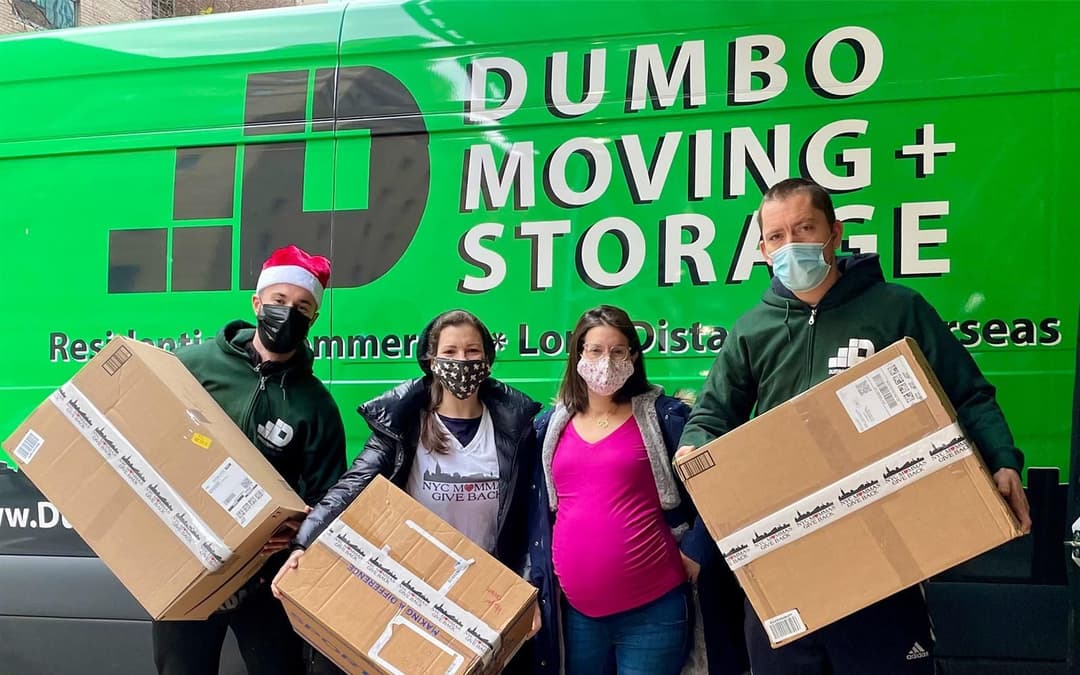
Dumbo Moving & Storage team supporting the NYC community.
Moving into your first New York City apartment? Here are seven common mistakes that can make moving day more expensive, stressful, and complicated than it needs to be.
Moving into your first apartment in New York City is exciting, but the logistics can catch even well-organized renters off guard. A move that looks simple on paper can become complicated by narrow staircases, strict building policies, limited parking, and furniture that doesn't fit through the front door.
Whether you're moving into a Brooklyn walk-up, a Manhattan high-rise, or a shared apartment in Queens, planning ahead can help you avoid unnecessary expenses.
Here are seven common mistakes first-time NYC renters should avoid.
1. Underestimating the Total Cost of Moving
One of the biggest mistakes is budgeting only for the moving company's initial estimate.
Your actual moving expenses may also depend on the number of boxes, furniture assembly, packing supplies, building access, and the distance between your old and new apartments.
For example, moving a couch into a fourth-floor walk-up may require considerably more time than moving the same couch into an elevator building.
Before booking, ask for a written estimate and clarify what services are included. Provide an accurate inventory, including large furniture, fragile items, and anything that may require disassembly.
Also, keep a small contingency budget for unexpected expenses.
2. Forgetting to Check Building Moving Rules
New York City apartment buildings often have their own moving policies.
Some require advance notice, restrict moving hours, or require residents to reserve a service elevator. Others request a Certificate of Insurance (COI) from the moving company before allowing movers into the building.
These requirements can apply to both your current building and your new apartment.
Contact both property managers well before moving day and confirm the rules in writing.
Ask about permitted moving hours, elevator reservations, insurance requirements, loading areas, and any restrictions on weekend moves.
Discovering these requirements when the moving truck arrives can lead to delays or even a postponed move.
3. Assuming Your Furniture Will Fit
A sofa that fits perfectly in your current living room might not fit through the staircase of your new apartment.
This is especially common in older NYC buildings with narrow hallways, tight turns, and small doorways.
Before moving, measure your largest furniture pieces and compare those dimensions with the entrances, staircases, elevators, and interior doorways at your destination.
Pay particular attention to sectional sofas, king-size beds, dressers, and oversized mirrors.
Sometimes removing furniture legs or disassembling a bed frame can solve the problem. Other times, you may need to reconsider whether bringing a particular piece makes sense.
Taking measurements before moving day is much easier than discovering a problem while carrying a heavy sofa upstairs.
4. Waiting Until the Last Minute to Pack
Packing almost always takes longer than expected.
Clothing and books may seem easy to organize, but kitchens, bathrooms, electronics, and fragile belongings require additional attention.
Start with items you rarely use, such as seasonal clothing, decorations, and extra kitchenware.
Label boxes with both their contents and destination room. Keep heavier items in smaller boxes, and avoid overloading large boxes.
Prepare a separate essentials bag containing medication, chargers, toiletries, important documents, a change of clothes, and anything you'll need during your first night.
This simple step can save you from searching through dozens of boxes after an exhausting moving day.
5. Ignoring Parking and Loading Logistics
Finding a convenient place for a moving truck can be challenging in NYC.
Busy streets, commercial loading zones, street-cleaning regulations, and limited curb space can make loading and unloading more complicated than expected.
A truck parked far from your building means movers may need to carry furniture and boxes a longer distance, potentially increasing the time required.
Before your move, check the parking conditions near both addresses.
If your building has a designated loading area, confirm how it can be accessed and whether reservations are necessary.
Don't assume a moving truck can legally park directly outside your apartment.
6. Choosing a Moving Company Based Only on Price
A low estimate can be attractive, especially when you're already paying a security deposit, first month's rent, and other apartment-related expenses.
However, the cheapest quote isn't always the best value.
When comparing moving companies, consider their experience with N,YC apartment buildings insurance documentation, furniture handling, and the clarity of their pricing.
Ask how they handle stairs, elevator restrictions, furniture disassembly, and unexpected changes to the inventory.
Working with an experienced local company such as Dumbo Moving & Storage can help renters plan around the practical challenges of moving in New York City.
The goal isn't simply to find someone who can transport your belongings. It's to choose a service that understands the logistics involved.
7. Forgetting to Plan for Your First Day in the Apartment
Moving day doesn't end when the last box comes through the door.
You still need to locate essential belongings, assemble furniture, check utilities, and make the apartment functional.
Before moving, confirm when you'll receive your keys and whether electricity, internet, and other necessary services will be available.
If you're moving into a shared apartment, coordinate with your roommates about furniture placement, shared storage, and arrival times.
Try to unpack your bed, bathroom essentials, and basic kitchen supplies first.
You don't need to organize the entire apartment immediately. Having a comfortable place to sleep and access to everyday necessities is enough for the first evening.
Final Thoughts
Moving into your first NYC apartment involves more than packing boxes and renting a truck.
Building requirements, furniture dimensions, parking conditions, and realistic budgeting can all affect how smoothly the process goes.
The good news is that most common moving problems are preventable with a little preparation.
Start planning early, communicate with your building management, and make sure everyone involved understands the moving-day logistics.
A successful move isn't necessarily the fastest one. It's the one where you've already solved the biggest problems before moving day arrives.