
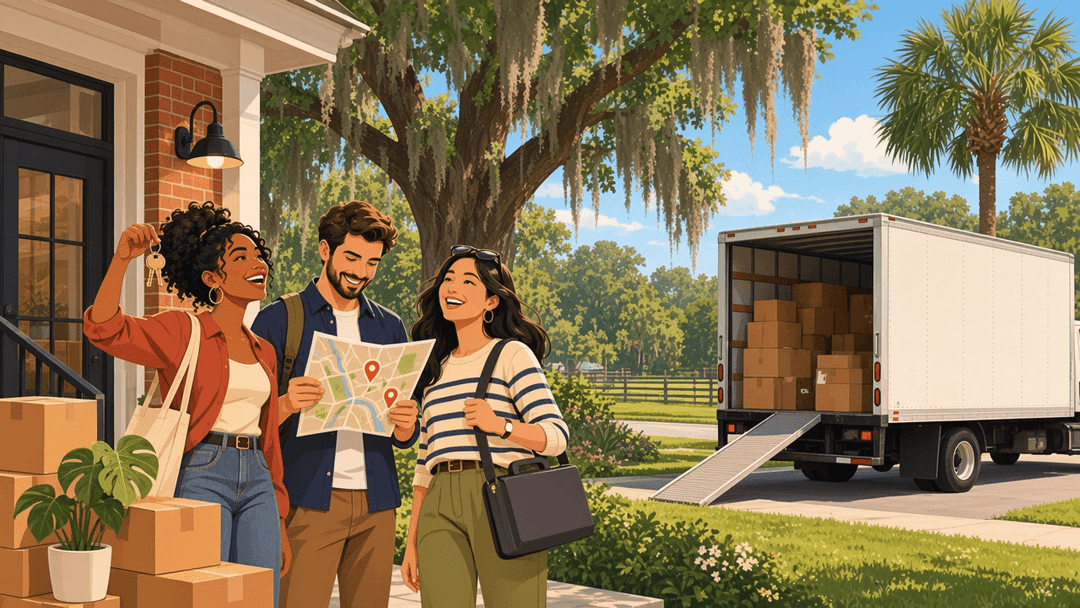
Out-of-State Relocation Guide: Preparing for an Interstate Move to North Central Florida
Out-of-State Relocation Guide: Preparing for an Interstate Move to North Central Florida
Relocating across state lines requires a strategic approach, especially when your destination is North Central Florida. Unlike the coastal tourist hubs, this region, encompassing areas like Gainesville, Ocala, and Lake City, offers a distinct environment characterized by dense state parks, university life, and expansive equestrian communities. Moving here from another part of the country involves more than just loading boxes into a truck; it demands careful planning regarding climate adaptation, administrative deadlines, and logistical coordination.
Navigating Interstate Logistics
An out-of-state relocation introduces complexities that local moves do not. Federal regulations govern interstate carriers, meaning you must verify your moving company holds active Department of Transportation (USDOT) registration.
When organizing the physical move, inventory management becomes critical. Because your belongings will likely travel hundreds or thousands of miles, professional packing techniques are mandatory. High-quality corrugated boxes, specialized crating for fragile items, and appropriate weight distribution inside the transport vehicle prevent damage during transit. It is highly recommended to purge unnecessary items before packing. Transporting heavy, easily replaceable goods across state lines often costs more than repurchasing them upon arrival.
Furthermore, understand the difference between Released Value Protection and Full Value Protection when reviewing your moving contract. Selecting comprehensive coverage ensures you are financially protected in the event of unexpected damage during the long journey to your new home.
Adapting Your Belongings to the Florida Climate
North Central Florida features a humid subtropical climate. You must account for high heat and significant humidity, particularly if your move takes place between May and October. This environment directly impacts how you should pack and store your possessions.
-
Electronics and Appliances: Extreme heat inside a moving trailer can damage sensitive electronics. Ensure they are packed in well-insulated boxes or transported in a climate-controlled environment whenever possible.
-
Wood Furniture and Antiques: Humidity causes wood to expand, and leather can suffer in unventilated heat. Using climate-controlled moving and storage options minimizes the risk of warping or mold growth during transit and temporary storage.
-
Weather Hazards: While North Central Florida is inland and generally protected from direct coastal storm surges, it still experiences heavy rains and high winds during hurricane season (June 1 to November 30). Keep waterproof bins on hand for items that could be damaged by unexpected leaks or heavy downpours during the unloading process.
-
Important Documents: Keep birth certificates, medical records, and financial documents with you in a personal vehicle rather than in the back of a moving truck where temperatures fluctuate wildly.
Establishing Florida Residency
Florida's lack of a state income tax is a major financial draw for new residents, but claiming this benefit requires establishing legal domicile. As soon as you arrive in North Central Florida, prioritize updating your administrative profile.
-
Driver’s License and ID: The state requires new residents to obtain a Florida driver’s license within 30 days of establishing residency. You will need primary identification, proof of a social security number, and two documents proving your new residential address.
-
Vehicle Registration: You have exactly 10 days from the time you establish residency, begin employment, or enroll children in public school to register your vehicle and obtain Florida license plates. This process requires a VIN inspection and proof of Florida auto insurance, which often carries different minimum coverage requirements than other states.
-
Declaration of Domicile: Filing this document with your local county court formally establishes Florida as your primary legal residence. This is highly beneficial for tax purposes and is a key step in qualifying for the homestead exemption on local property taxes.
Securing Housing and Local Utilities
The housing market in North Central Florida varies drastically from the dense student-focused apartments of Gainesville to the sprawling horse farms of Marion County. When selecting a property, pay attention to the age of the roof and the condition of the HVAC system, as both are critical for enduring Florida summers and passing mandatory insurance inspections.
Setting up utilities requires contacting local municipal providers or regional cooperatives. For example, Gainesville Regional Utilities (GRU) handles electricity, water, and gas in the immediate Gainesville area, while surrounding rural areas often rely on Clay Electric or Duke Energy. Contact these providers at least two weeks before your arrival to ensure electricity and air conditioning are running before you start unloading boxes. Additionally, proactive pest control is a standard part of home maintenance in this region. Schedule an initial inspection and treatment before moving your furniture into the home to prevent infestations.
Executing a successful move to North Central Florida hinges on preparation and local awareness. By addressing the logistical requirements of crossing state lines, preparing your belongings for a subtropical climate, and promptly handling administrative transitions, you can establish your new life in the region efficiently. Focus on meticulous organization during the weeks leading up to your departure, and rely on experienced professionals to manage the heavy lifting.