
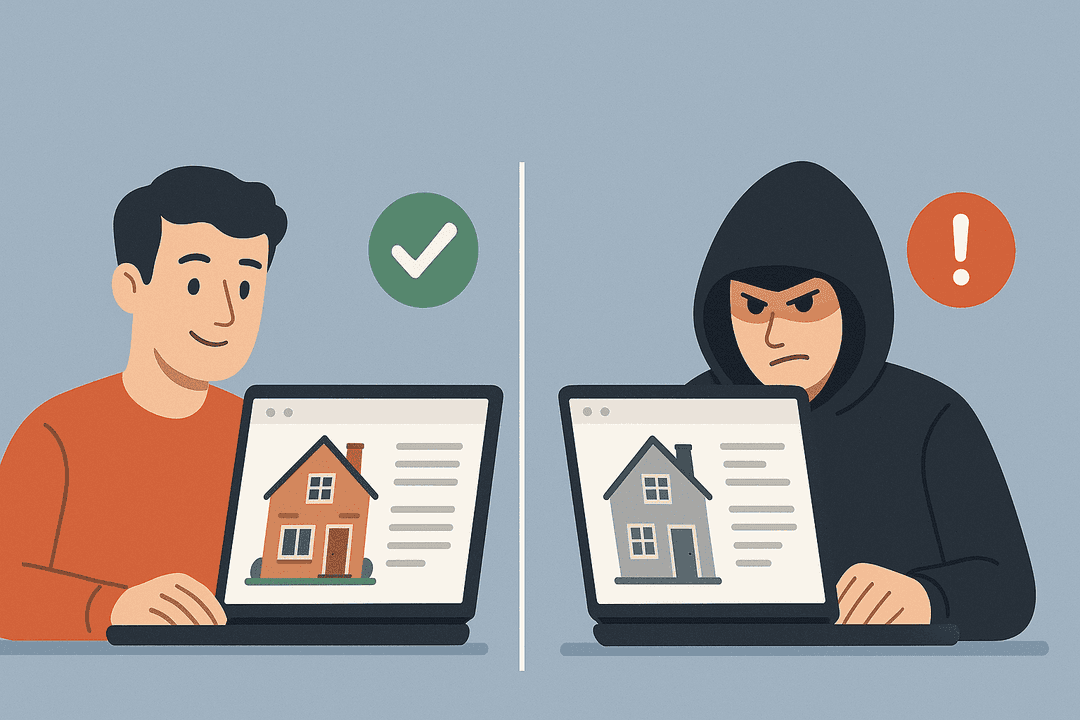
Find Safe Room Rentals, Avoid Scams
Looking for Rooms for Rent? Here’s How to Spot a Real Listing vs. a Scam
Finding a safe and reliable place to live has never been more important. Whether you’re a student who’s starting a new semester, a professional moving for work, or someone who’s embracing a flexible lifestyle, the search for a comfortable room can feel overwhelming. When looking for rooms for rent, many people go online, but not all the listings you come across are genuine. Scammers have also evolved to a more advanced level and are creating ads that look authentic, have convincing pictures, and even imitate trusted communication styles.
This is why it is essential to understand how to know the difference between a real listing and a fake one, especially when you are looking for monthly rooms for rent in major cities where there is high demand. The ultimate goal isn’t just finding a place; it’s finding a place that is safe, affordable, and legitimate.
Platforms like iROOMit prioritize verified listings and safe user interactions, which makes the process easier and safer. However, renters should still remain updated and know what they have to look for.
Why Rental Scams Are Common Today
As the cost of housing and relocation needs are rising, the number of people looking for room rentals online is also growing. This high demand attracts scammers who are eager to take advantage of renters who may be stressed, rushed, or unfamiliar with local markets.
Some scammers use fake internet images. Others claim that they are not in the country to avoid personal meetings. And many ask for deposits quickly, hoping that you will act before thinking it properly.
Understanding how these schemes work can help you avoid them completely, so that your search for legitimate monthly rooms for rent remains smooth and stress-free.
1. The Too-Good-to-Be-True Price Trap
The unusually low price is one of the biggest red flags. When you are browsing listings while looking for rooms for rent and find a room that appears to be much cheaper than all the rest in the same area, it’s worth questioning why:
Realistic pricing should have the factors like:
- Location demand
- Room size and furnishings
- Utilities included
- Nearby transportation
- Building quality
Scammers attract people in by offering a deal that looks unbelievable, because it usually is. Always compare similar listings and verify whether the price is reasonable.
2. Listings With Vague or Incomplete Information
Honest property owners generally provide clear details. If some important details are missing, it may be a red flag.
You should look out for:
- Mention of the address or neighbourhood
- Absence of photos or only a few pictures
- Photos that appear to be stock images
- Unclear lease terms
- No details on utilities, house rules, or facilities
When browsing iROOMit, listings usually contain clear information about the room, house, and expectations of the flatmate, which would help users to avoid vague or misleading information.
3. Pressure Tactics and Rushed Communication
Scammers often try to make the renters rush into making quick decisions, hoping that they will send money without verifying anything.
Be cautious if the person:
- Demands a deposit before you’ve even seen the room
- Says the offer is available only for today
- Refuses to wait for your questions
- Avoids meeting in person or via video call
A reliable room provider will give you enough time to think before you commit. When a person is rushing you, they might be hiding something.
4. Requests for Payment Before Viewing the Room
This is one of the biggest red flags. No credible person will ask you to pay:
- A deposit
- First month’s rent
- A ‘holding fee’
- A ‘key delivery charge’
Before you visit or properly verify the listing.
Be it a short-term stay or monthly rooms for rent, never send any money before seeing the room or confirming its authenticity through safe means, which iROOMit encourages within the platform, also to reduce these risks.
5. Suspicious Email Addresses or Messaging Style
Fraudsters tend to use strange emails, poorly written messages, or too formal replies.
The warning signs include:
- Responses that don’t answer your queries
- Unusual grammar or wording
- Requests to move over to personal email immediately
- Messages that feel scripted
Trust your instincts. An honest listing usually comes with transparent, conversational communication.
How to Verify a Real Listing Safely
Here are some steps that you should always follow when looking for rooms for rent:
- Request a Virtual or In-Person Tour: Seeing the room, even virtually, helps confirm that the room actually exists.
- Ask Detailed Questions: If the host is actually real, they’ll answer the questions like:
- How many people live in the house?
- What are the utilities that are available?
- Are there any house rules?
- What’s nearby (transport, stores, etc.)?
- Look for ID Verification: The platforms like iROOMit provide secure ways to verify the hosts and renters to help you avoid any risky interactions.
- Compare Prices With the Neighbourhood: Research for similar listings to confirm that the offer makes sense.
- Do No Send Money Out of Secure Channels: Never send any money through wire transfers, cryptocurrency, or any untraceable app.
- Trust Your Instincts: If something does not feel right, then it’s probably not.
FAQs
1. How to spot a fake listing?
To spot a fake listing, you should look for unusually low prices, unclear descriptions, missing details, or contradictory pictures. If the person avoids calls, meetings, or verification, it’s likely a scam.
2. How to rent a room without getting scammed?
To rent a room without getting scammed, make sure you take a tour of the room, either in person or virtually, verify the identity of the host, and avoid sending any money other than through secure channels. Make sure you use trusted platforms with verified listings.
3. What are red flags when renting a house?
Some red flags when renting a house are pressure to pay quickly, refusal to show the property, strange email addresses, unclear terms of lease, or a request for a deposit before viewing the property.
4. How do I know if a rental listing is real?
A real listing will have consistent pictures, clear details, verifiable contact information, and a host who is willing to answer all your questions. Also, take a tour of the property before making any payment.