
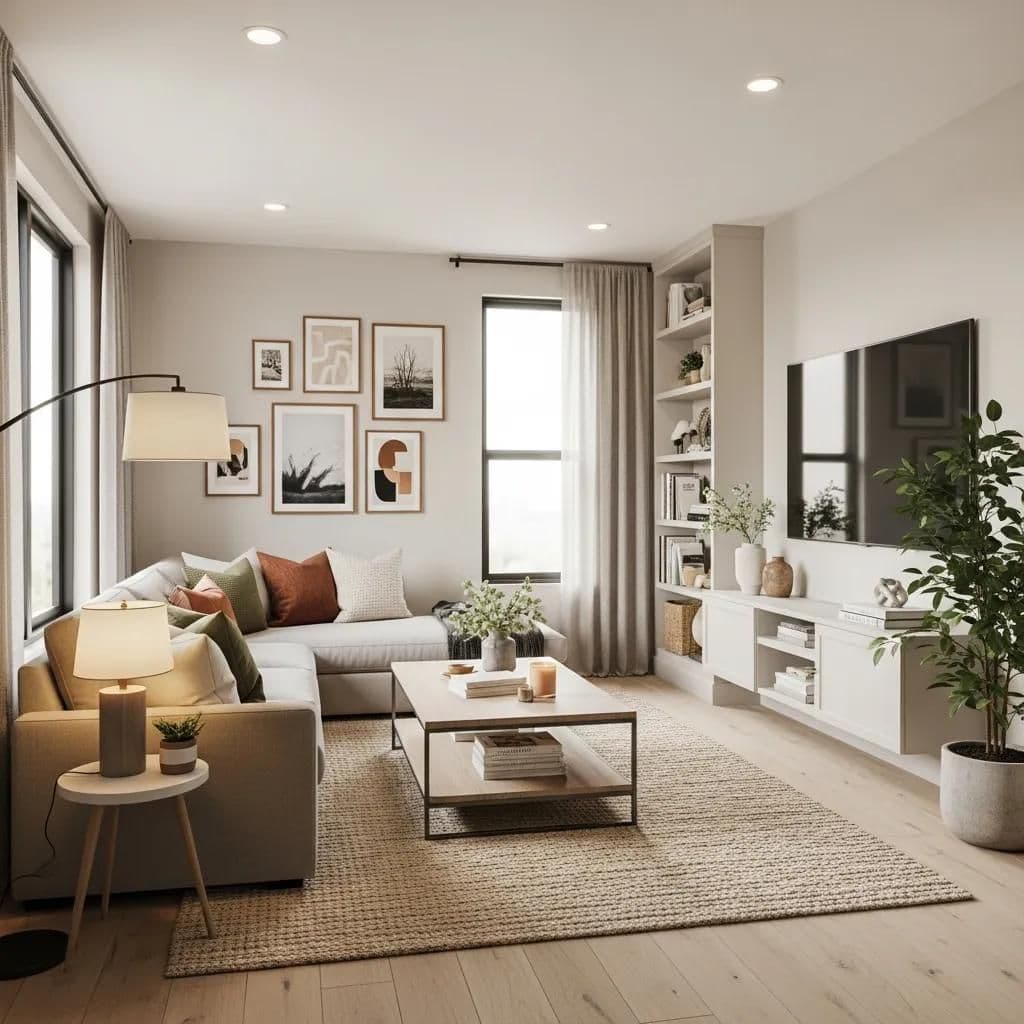
Room Photography and Staging Tips for Listings:
How to Prepare, Capture, and Optimize Rental Room Photos for Maximum Appeal
Capturing stunning photographs of rental rooms is essential for attracting potential renters and maximizing listing appeal. This article provides comprehensive room photography and staging tips, focusing on preparation, lighting, equipment, editing, and optimization strategies. By understanding how to effectively prepare and photograph a room, landlords and property managers can significantly enhance their listings. Many individuals struggle with presenting their rental spaces in the best light, often leading to missed opportunities. This guide offers practical solutions to these challenges, ensuring that your rental photos stand
out in a competitive market. We will explore how to prepare a room for photos, the best lighting techniques, essential photography tips, the role of editing, and best practices for optimizing room photos on rental listings.
Download iROOMit #1 roommate finder & rooms for rent app
How Do You Prepare a Room for Photos to Attract Renters?
Preparing a room for photography involves several key steps that enhance its visual appeal and make it more attractive to potential renters. The process begins with decluttering and cleaning, which are crucial for creating a welcoming atmosphere. A well-staged room not only looks more inviting but also allows viewers to envision themselves living in the space. Effective preparation can significantly impact the quality of your photos and the overall impression of your listing.
Indeed, research confirms that strategic home staging is a powerful marketing tool that positively influences consumer perception and encourages property visits.
Home Staging as a Marketing Tool for Real Estate Photography
This study explores home staging as marketing tool. The marketing tool was studied using qualitative unstructured expert interviews. Two realtors and a stylist were interviewed. The effects of home staging were evaluated using in- depth consumer interviews. The consumer interviews were formed based on themes that were coded from the expert interviews. Ten consumers were interviewed. Using home staging as a marketing tool is considered competitive advantage in real estate market. Home staging can be seen in high-quality photography and in social media marketing. This study suggests that home staging impact positively on consumer perception. In addition, consumers are willing to visit staged properties
Value creation through home staging in real estate market, 2019
What Are the Best Decluttering and Cleaning Techniques for Room Staging?
Decluttering is the first step in staging a room for rent photography. Start by removing personal items, excess furniture, and any clutter that may distract from the room's features. A clean and organized space allows potential renters to focus on the room's layout and amenities. Here are some effective techniques:
-
Remove Personal Items: Take away family photos, personal decorations, and any items that may not appeal to a broad audience.
-
Organize Furniture: Arrange furniture to create a natural flow and highlight the room's best features. Consider removing unnecessary pieces to make the space feel larger.
-
Deep Clean: Ensure that the room is spotless. Dust surfaces, clean windows, and vacuum carpets to create a fresh and inviting environment.
These steps will help create a visually appealing space that photographs well and attracts potential renters.
How Should Furniture Be Arranged to Enhance Room Appeal?
Furniture arrangement plays a crucial role in enhancing the appeal of a room. The goal is to create a layout that maximizes space and showcases the room's best features. Here are some strategies for optimal furniture arrangement:
-
Create a Focal Point: Position furniture around a central feature, such as a fireplace or a large window, to draw attention to it.
-
Allow for Flow: Ensure there is enough space for people to move around comfortably. Avoid blocking pathways with furniture.
-
Use Scale Wisely: Choose furniture that fits the size of the room. Oversized pieces can make a small room feel cramped, while too-small furniture can make the space feel empty.
By thoughtfully arranging furniture, you can create a more inviting and visually appealing environment for your rental photos.
What Are the Best Lighting Techniques for Capturing Rental Room Photos?
Lighting is a critical element in photography that can dramatically affect the quality of your images. Understanding how to use both natural and artificial light effectively can enhance the overall look of your rental photos.
When Is the Ideal Time to Use Natural Light for Room Photography?
Natural light is often the best choice for capturing room photos, as it creates a warm and inviting atmosphere. The ideal times for utilizing natural light are during the golden hours—shortly after sunrise and before sunset. During these times, the light is softer and more flattering. Here are some tips for maximizing natural light:
-
Open Curtains and Blinds: Allow as much natural light in as possible by opening window treatments.
-
Choose the Right Time: Aim to photograph rooms when they receive the most light, typically in the morning or late afternoon.
-
Consider Weather Conditions: Overcast days can provide diffused light, reducing harsh shadows and creating a more even exposure.
Using natural light effectively can significantly enhance the quality of your rental photos.
How Can Artificial Lighting Be Used Effectively in Room Photos?
While natural light is ideal, artificial lighting can also play a vital role in room photography, especially in poorly lit spaces. Here are some effective techniques for using artificial lighting:
-
Use Soft Light Sources: Opt for soft white bulbs to create a warm and inviting atmosphere. Avoid harsh fluorescent lights that can create unflattering shadows.
-
Position Lights Strategically: Place lamps and light sources in corners or behind furniture to create depth and dimension in your photos.
-
Balance Light Sources: If using multiple light sources, ensure they are balanced to avoid uneven lighting. This can be achieved by adjusting the intensity of each light.
By combining natural and artificial lighting techniques, you can create well-lit and appealing rental photos.
Which Photography Tips and Equipment Improve Rental Listing Photos?
Having the right equipment and understanding basic photography techniques can greatly enhance the quality of your rental listing photos.
What Camera Settings and Angles Work Best for Small Room Photography?
When photographing small rooms, specific camera settings and angles can help create the illusion of more space. Here are some tips:
-
Use a Wide-Angle Lens: A wide-angle lens allows you to capture more of the room in a single shot, making it appear larger.
-
Adjust Camera Settings: Set your camera to a lower ISO to reduce noise and improve image quality. A higher aperture (f/8 or f/11) can help achieve a greater depth of field.
-
Experiment with Angles: Shoot from a corner or at an angle to capture more of the room and create a sense of depth.
These techniques can help you take more effective photos of small spaces, making them look more inviting.
How Can Smartphone Photography Be Optimized for Room Listings?
Smartphones have become powerful tools for photography, and with the right techniques, you can capture stunning rental photos. Here are some tips for optimizing smartphone photography:
-
Use Grid Lines: Enable grid lines in your camera settings to help align your shots and maintain straight lines.
-
Adjust Exposure: Tap on the screen to adjust the exposure for brighter images, especially in darker rooms.
-
Edit with Apps: Utilize photo editing apps to enhance your images after capturing them. Adjust brightness, contrast, and saturation to make your photos pop.
By leveraging smartphone capabilities, you can create high-quality images that attract potential renters.
How Do Editing and Virtual Staging Enhance Room Photos for Listings?
Editing and virtual staging are essential components of the photography process that can significantly enhance the appeal of your rental photos.
What Are the Best Photo Editing Tools and Practices for Rental Photos?
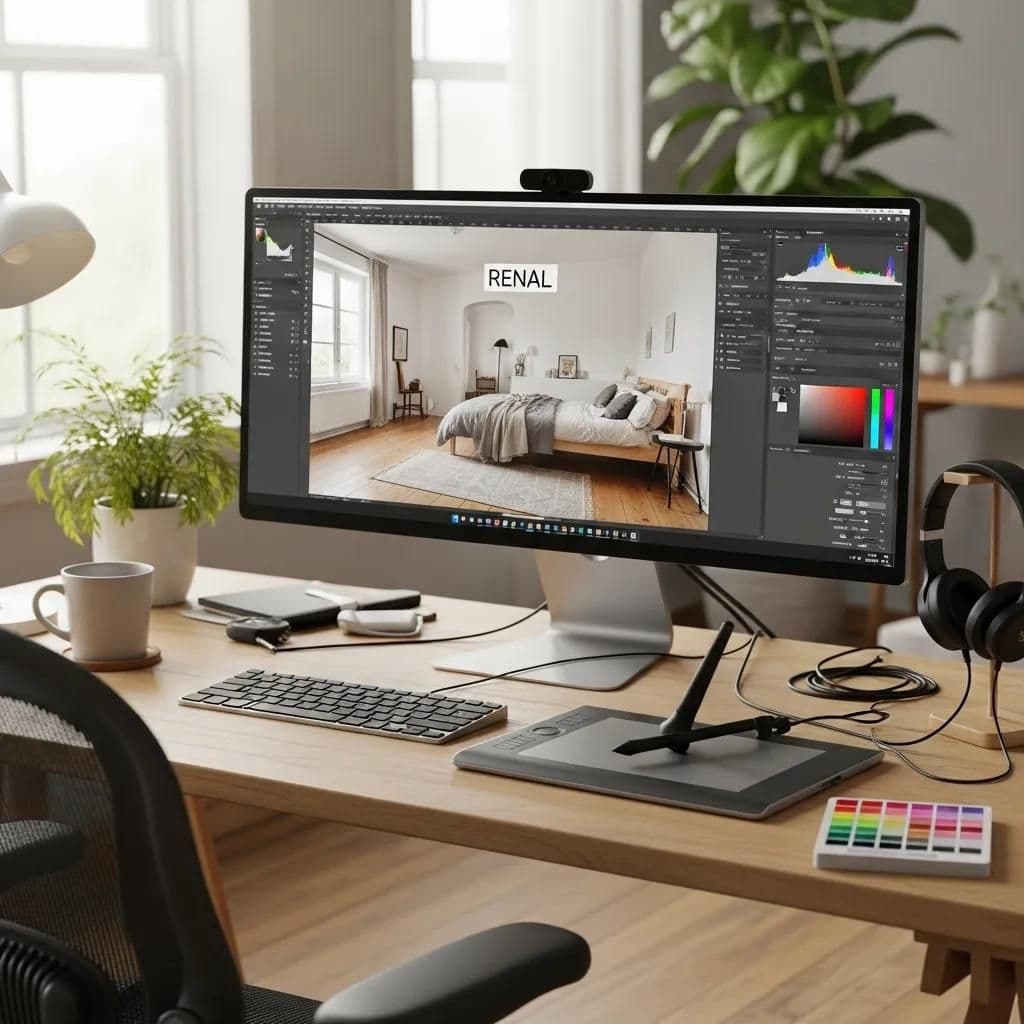
Editing your photos can help correct any imperfections and enhance their overall quality. Here are some recommended tools and practices:
-
Use Editing Software: Programs like Adobe Lightroom or Photoshop offer powerful editing capabilities to adjust exposure, color balance, and sharpness.
-
Crop for Composition: Crop images to improve composition and focus on the room's best features.
-
Maintain Realism: While editing, ensure that the final images accurately represent the space to avoid misleading potential renters.
Effective editing can transform your photos, making them more appealing and professional.
How Does Virtual Staging Improve Listing Attractiveness?
Virtual staging involves digitally adding furniture and decor to empty rooms, helping potential renters visualize the space. This technique can be particularly useful for vacant properties. Here are some benefits of virtual staging:
-
Cost-Effective: Virtual staging is often more affordable than traditional staging, allowing you to showcase a property without the expense of physical furniture.
-
Flexibility: You can easily change the style and layout of the virtual staging to appeal to different target audiences.
-
Enhanced Visual Appeal: Professionally staged images can significantly increase interest in a listing, leading to faster rentals.
Virtual staging is a powerful tool for enhancing the attractiveness of rental listings.
What Are the Best Practices for Optimizing Room Photos on Rental Listings?
Optimizing your room photos for online listings is crucial for maximizing visibility and attracting potential renters.
How Should Image Filenames and Alt Text Be Structured for SEO?
Properly structuring image filenames and alt text is essential for improving search engine optimization (SEO). Here are some best practices:
-
Descriptive Filenames: Use clear and descriptive filenames that include relevant keywords, such as "spacious-living-room-rental.jpg".
-
Alt Text: Write concise alt text that describes the image and includes keywords. For example, "Bright and airy living room with modern furniture".
-
Avoid Generic Terms: Steer clear of generic filenames like "IMG_1234.jpg" as they do not provide any context for search engines.
These practices can help improve the visibility of your rental listings in search results.
What Structured Data Markup Enhances Room Listing Visibility?
Implementing structured data markup can enhance the visibility of your rental listings in search engines. Here are some effective types of structured data:
-
Schema Markup: Use schema markup to provide search engines with detailed information about your rental property, including location, price, and amenities.
-
Local Business Markup: If applicable, use local business markup to enhance your listing's visibility in local search results.
-
Review Markup: Incorporate review markup to display ratings and reviews, which can increase credibility and attract more interest.
By utilizing structured data, you can improve your rental listing's chances of appearing prominently in search results.
| Strategy | Mechanism | Benefit |
|---|---|---|
| Decluttering | Removes distractions | Enhances room appeal |
| Natural Lighting | Creates warmth | Improves photo quality |
| Virtual Staging | Adds visual context | Increases interest |
This table summarizes key strategies for optimizing room photos, highlighting their mechanisms and benefits.
By following these room photography and staging tips, landlords and property managers can create compelling listings that attract potential renters. The combination of effective preparation, lighting techniques, and editing practices will ensure that your rental photos stand out in a competitive market.