
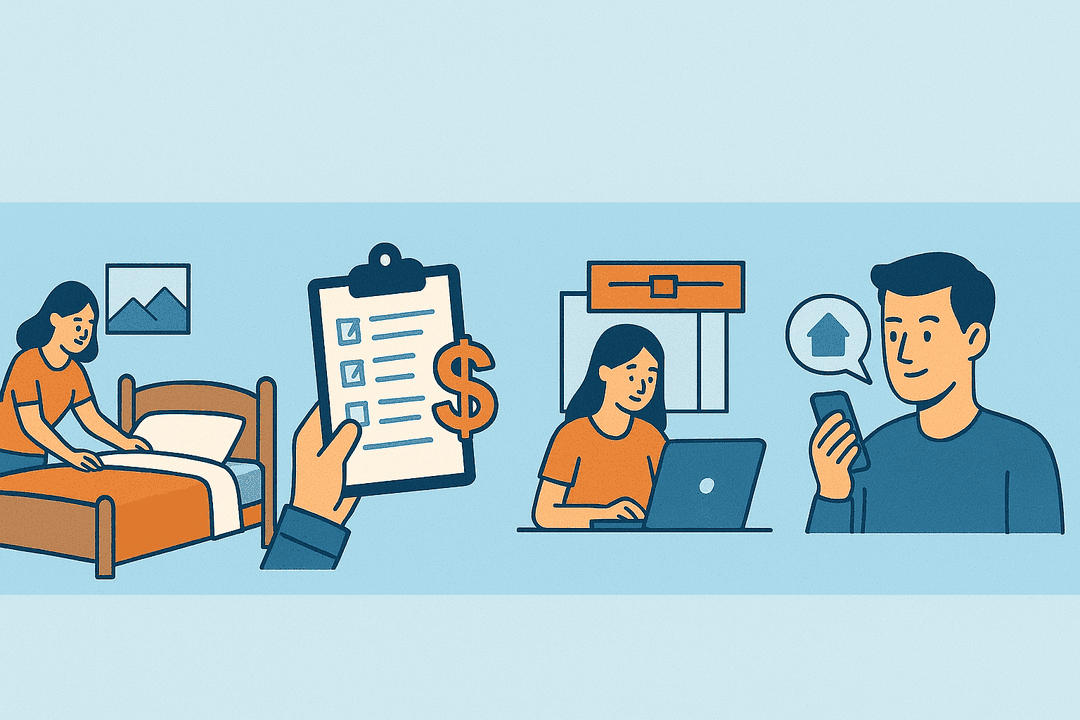
Renting Out a Room in NYC: Full Guide
How to Rent a Room in Your House: A Complete Guide
Renting a room in your house can be a great way to generate extra income, utilize unused space, and share living costs. Whether it’s a spare bedroom, basement, or attic, knowing how to rent a room properly ensures you protect your investment, maintain harmony, and comply with legal requirements.
Platforms like iROOMit can help you post your room for rent and finalize the lease with ease.
Why Should You Consider Renting a Room in a House?
There are several benefits of renting a room in a house:
- Offset mortgage costs or rent
- Gain companionship and make living conditions easier
- Offer tenants a more affordable option than renting an entire apartment (especially in busy areas like NYC)
However, renting a room also means sharing common spaces, setting rules, and ensuring privacy for both parties. Understanding the process and responsibilities is key.
Key Steps on How to Properly Rent a Room in Your House
1. Check Local Laws and Zoning
- Verify with your local municipality if renting a room is legal.
- Some cities require permits, limit unrelated people living together, or impose lease provisions when renting part of a property you occupy.
2. Arrange the Room & Common Areas
Ensure the room is safe and comfortable:
- Proper lighting, ventilation, and heating
- Locks on bedroom doors for privacy
- Clean and usable furnishings (optional)
- Clear access to kitchen, bathroom, and living room
Adding amenities like a private entrance or bathroom can increase rent and tenant satisfaction.
3. Determine Fair Rent
Pricing depends on:
- Location (city/neighborhood)
- Room size
- Furnishings
- Utilities and amenities
For example, rooms for rent in NYC often cost more due to demand. Research similar rentals in your area to stay competitive.
4. Write a Lease Agreement
Even with friends or acquaintances, a formal lease protects both parties. Include:
- Rent amount and due date
- Tenancy duration
- Deposit amount and return policy
- Rules for visitors, pets, noise, and common spaces
- Utilities and supplies included
A clear lease prevents future conflicts.
5. Screen Tenants
Screening is essential:
- Verify references from previous landlords
- Conduct background or credit checks (where legal)
- Interview for lifestyle compatibility (cleanliness, noise tolerance, work hours)
Since you’ll share your home, compatibility matters more than in separate rentals.
6. Set Clear Rules & Boundaries
Agree on rules before move-in:
- Quiet hours
- Cleaning schedules
- Guest policies
- Shared supplies (cleaning products, toilet paper, etc.)
Put expectations in writing or include them in the lease for easier enforcement.
Important Considerations & Potential Challenges
Renting a room may seem simple, but watch out for pitfalls:
- Privacy & Boundaries: Adjusting habits when sharing space
- Liability & Insurance: Update homeowner’s policy to cover tenants
- Noise & Maintenance: Shared spaces can cause conflicts
- Tax Implications: Rental income is taxable, though some expenses may be deductible
Tips for Success
To ensure a smooth rental experience:
- Upload clear photos of the room and shared areas when posting online
- Be transparent in listings about rules, inclusions, and facilities
- Meet tenants in person before move-in to assess compatibility
- Use secure payment methods and keep records
FAQs
1. How do I rent out a room in my house?
Check local laws, prepare the room, set fair rent, and draft a lease. Then advertise (e.g., on iROOMit) and screen candidates carefully.
2. Is it legal to rent a room in your house in NY?
Yes, but you must follow housing codes, zoning laws, and safety rules. The space must meet legal standards.
3. Do I need a license to rent a room in my house?
Usually no, but some cities require permits or registration for multiple tenants or short-term rentals.
4. How to rent a room in New York?
Ensure the room meets housing and safety standards, set fair rent, draft a lease, and advertise on trusted platforms like iROOMit.
5. Is it cheaper to rent a room?
Yes. Renting a room is budget-friendly since costs like rent and utilities are shared — especially in high-demand cities like NYC.