
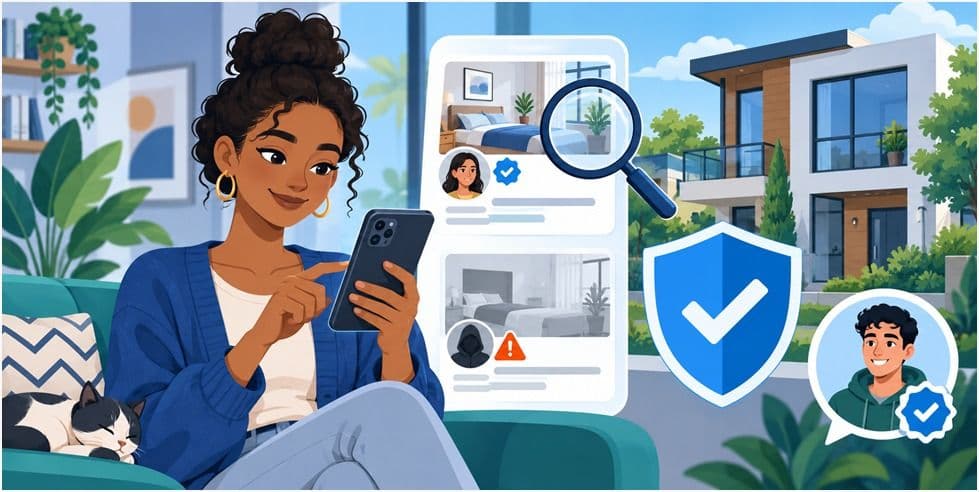
How to Avoid Room-Rental and Roommate Scams in 2026: 12 Warning Signs
How to Avoid Room-Rental and Roommate Scams in 2026
Finding an affordable room or a compatible roommate can make moving easier and significantly less expensive. Unfortunately, scammers also target renters who feel pressured to secure housing quickly.
Fraudulent listings may use stolen photographs, fake identities, unusually low prices, or urgent urgent payment requests to trick people into sending money. Some scammers pretend to be landlords, while others pose as roommates or tenants searching for someone to share a home.
The good news is that most scams reveal warning signs. By slowing down, asking the right questions, and using a trusted room-and-roommate platform such as iROOMit, you can reduce your risk and make a more informed decision.
Download iROOMit #1 room rentals and Roommate finder app
1. The Price Looks Too Good to Be True
An extremely low price is one of the most common warning signs.
A scammer may advertise a beautiful furnished room in a popular neighbourhood for far less than similar rooms nearby. The low price is designed to generate excitement and make you feel that you must act immediately.
Before contacting someone, compare the listing with several similar rooms for rent in the same area. Consider the room’s size, location, furnishings, utilities, parking, and other included features.
A lower price is not automatically fraudulent, but a major difference should be explained clearly. If the owner cannot provide a reasonable explanation, proceed carefully.
2. The Landlord Refuses to Show You the Room
Be cautious if a landlord or host repeatedly avoids an in-person or live video viewing.
Scammers often claim they are travelling, working overseas, dealing with a family emergency, or otherwise unavailable. They may promise to mail the keys after receiving your deposit.
Whenever possible, visit the room before paying anything. If you cannot attend in person, request a live video tour—not a prerecorded video. During the call, ask the person to show specific areas, such as the view from a window, the building entrance, the kitchen, and the room’s closet.
A legitimate landlord should understand why you need to confirm that the room exists.
3. You Are Pressured to Pay Immediately
Scammers create urgency because they do not want you to investigate.
They may claim that several other renters are ready to pay or that the room will disappear unless you transfer money within the next hour.
A competitive rental market can move quickly, but you should still have time to:
- Verify the person’s identity
- Review the rental agreement
- Confirm the property address
- Ask questions
- Understand the deposit and refund terms
Do not allow fear of losing a room to override basic safety precautions.
4. The Person Requests an Unsafe Payment Method
Be careful when someone asks you to pay using gift cards, cryptocurrency, wire transfers, cash transfers, or another method that is difficult to trace or reverse.
Never send money simply to view a room or prove that you are serious.
Before paying a deposit, confirm who is receiving the money, what the payment covers, whether it is refundable, and when you will receive the signed agreement and keys. Keep copies of messages, receipts, and documents.
Payment requirements vary by location, so renters should also understand the laws governing deposits in their province, state, or country.
5. The Listing Contains Stolen or Reused Photos
Scammers frequently copy photographs from legitimate rental listings and use them to create fake advertisements.
You can perform a reverse-image search to see whether the same photographs appear with different addresses, names, or prices.
Other warning signs include:
- Photos that look professionally staged but contain no personal details
- Images that appear on multiple rental websites
- Photos that do not match the description
- Blurry or unusually limited images
- A landlord who refuses to provide additional photographs
Ask for current photos or a live video tour if something seems suspicious.
6. The “Landlord” Cannot Answer Basic Questions
A legitimate landlord or current tenant should generally be able to answer basic questions about the property.
Be cautious if someone cannot explain:
- Who owns the property
- Who currently lives there
- What utilities are included
- How rent is collected
- What the lease terms are
- When the room becomes available
- Who handles maintenance
Scammers often provide vague or inconsistent answers because they do not actually have access to the property.
7. The Lease Agreement Looks Suspicious
Never sign a rental agreement without reading it carefully.
Look for:
- Misspellings and inconsistent information
- Missing landlord or tenant details
- Unclear rent amounts
- Unusual payment instructions
- Pressure to sign immediately
- Missing address information
- Clauses that do not match what was discussed
If the agreement lists a company or property manager, verify that the organization actually exists and that the person contacting you is authorized to represent it.
8. The Roommate Story Keeps Changing
Scams are not limited to landlords.
Someone pretending to be a roommate may claim they already rent a property and are looking for someone to take over their room.
Pay attention if their story changes regarding:
- Why they are moving
- Who owns the property
- How rent is paid
- How long they have lived there
- Who else lives in the home
Ask to speak with the landlord or property manager directly when appropriate and verify the rental agreement.
9. The Person Wants Your Sensitive Information Too Early
Be careful about sharing sensitive personal information before you know who you are dealing with.
A legitimate rental application may require certain information, but you should understand why the information is needed and who will receive it.
Avoid sending unnecessary copies of:
- Passports
- Driver's licenses
- Bank statements
- Credit card information
- Social Security or government identification numbers
Use secure application processes whenever possible.
10. There Is No Clear Written Agreement
A verbal promise is not enough for a long-term housing arrangement.
Before moving in, make sure you understand:
- Monthly rent
- Deposit amount
- Utilities
- Lease duration
- Notice requirements
- House rules
- Maintenance responsibilities
- Roommate responsibilities
Get important agreements in writing and keep a copy.
11. The Person Avoids the Platform
If you found someone through a rental platform and they immediately ask you to move the entire conversation to another messaging service, be cautious.
Moving off-platform can make it harder to report suspicious behaviour or preserve evidence.
Keep communication on the platform as long as possible, especially before you have verified the property and the person.
12. Your Instincts Say Something Is Wrong
Sometimes the biggest warning sign is simply that something does not feel right.
If the price, story, payment request, or behaviour seems unusual, stop and investigate.
You do not need to continue with a rental simply because you have already invested time in the conversation.
Walking away from a questionable listing is better than losing money or personal information.
How iROOMit Helps Create a Safer Roommate Search
iROOMit is designed to make room and roommate searches more structured and transparent.
Features such as user profiles, roommate preferences, messaging, and listing information can help renters gather more information before making a decision.
However, no platform can guarantee that every user or listing is legitimate. You should still verify the property, communicate carefully, and follow safe payment practices.
What to Do If You Suspect a Scam
If you believe a listing or user is fraudulent:
- Stop communicating with the person if you feel unsafe.
- Do not send additional money or personal information.
- Save screenshots of the listing and messages.
- Report the listing or profile to the platform.
- Contact your bank or payment provider if you have already sent money.
- Report the incident to the appropriate local authorities or consumer-protection agency.
Acting quickly may help limit further damage.
Final Thoughts
Room-rental scams can happen to anyone, especially when demand is high and renters feel pressure to move quickly.
The safest approach is simple: slow down, verify everything, and never let urgency replace common sense.
Compare prices, inspect the property, verify identities, review agreements, use secure payment methods, and keep important communication documented.
A few extra minutes of research can save you from losing money, exposing personal information, or moving into an unsafe situation.
Whether you are searching for a room, looking for a roommate, or listing a property, taking the time to verify the details can make the rental process significantly safer.