
Should I Rent a Room in an Flat or a House? Pros, Cons.
Should I Rent a Room in an Apartment or a House? Pros, Cons,
Renting a room can lower your housing costs, but you still have an important choice to make: should you rent a room in an apartment or a house?
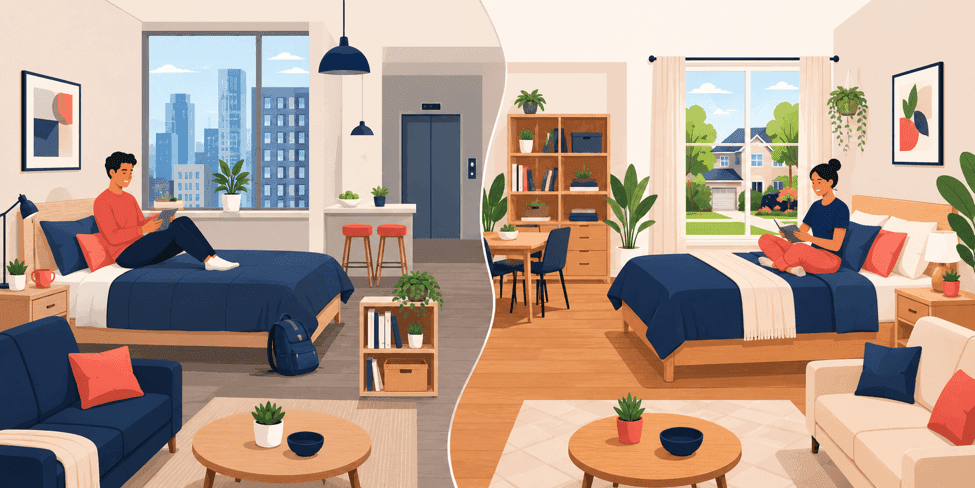
Both can offer affordable rent and shared amenities, but the day-to-day experience can be very different. Apartments often provide convenience, security, and central locations. Houses usually offer more space, privacy, and outdoor areas.
There is no perfect answer for everyone. Your best option depends on your budget, commute, lifestyle, and the people sharing the property. Here are the main pros and cons to consider before signing an agreement.
Renting a Room in an Apartment
In an apartment, you normally share the kitchen, living room, and possibly a bathroom. Apartments are common near downtown areas, universities, workplaces, and public transportation.
Pros of Renting a Room in an Apartment
Convenient location: Apartment buildings are often close to transit, stores, and entertainment. A central location may reduce car, fuel, and parking expenses.
Better security: Many buildings have controlled entrances, cameras, concierge service, or on-site staff, providing extra peace of mind.
Less maintenance: You normally will not need to cut grass, shovel a driveway, or maintain a yard. Building management generally handles common areas.
Useful amenities: Some buildings include a gym, pool, rooftop terrace, bicycle storage, workspace, or laundry room, adding value to your rent.
More predictable expenses: Smaller apartments may cost less to heat or cool. Some rentals also include utilities or internet.
Cons of Renting a Room in an Apartment
Limited space: Bedrooms and common areas may be compact, with little storage for furniture or seasonal belongings.
More surrounding noise: You may hear neighbours, hallways, elevators, traffic, and building systems.
Less privacy: Roommates are closer together, and sharing one bathroom or a compact kitchen can be frustrating.
Building restrictions: Rules may limit pets, smoking, guests, noise, balcony use, or move-in hours. Ask to see the building rules before agreeing to rent.
Parking costs: Urban apartments may not include parking. Renting a space separately can make an otherwise affordable room more expensive.
Renting a Room in a House
In a house, you may live with the owner or several tenants. Houses are common in residential areas and near colleges.
Pros of Renting a Room in a House
More living space: Houses often have larger rooms plus access to a basement, garage, patio, garden, or backyard.
Greater privacy: People can spread out, and some rooms have a private bathroom, separate entrance, or different floor.
A quieter setting: Residential streets may be quieter than busy apartment buildings. There are also no neighbours directly above or below you.
Better for pets and outdoor living: A fenced yard can suit a dog, while a patio or garden offers room to relax. Confirm the pet policy first.
More parking and storage: Driveway parking may be included, with extra room for bicycles or seasonal belongings.
Cons of Renting a Room in a House
Higher utility costs: Larger or older homes can cost more to heat and cool, making shared bills unpredictable.
More responsibilities: Tenants may need to shovel snow, maintain the yard, or clean shared areas. Agree on duties before moving in.
A longer commute: A cheaper suburban room may add fuel, parking, and travel costs that cancel out the savings.
Potentially more roommates: More people may mean less kitchen access, more noise, and disagreements about cleaning, guests, or bills.
Informal arrangements: Unclear terms can lead to disputes about deposits, notice, rent increases, or common areas. Get everything important in writing.
Which Option Is Better for You?
An apartment may be better if you prioritize transit, security, convenience, and fewer maintenance duties. It often suits students and downtown workers.
A house may be better if you value space, privacy, parking, and quiet. It can suit drivers, pet owners, and remote workers.
Do not compare the advertised rent alone. Calculate the full monthly cost, including utilities, internet, parking, laundry, transportation, and renter's insurance. A room that is $100 cheaper may actually cost more if it requires a long daily commute or comes with high heating bills. Roommate compatibility matters just as much as the type of property. A spacious house can feel stressful with inconsiderate roommates, while a small apartment can be comfortable when everyone communicates and respects boundaries. Discuss cleaning, guests, quiet hours, shared food, work schedules, smoking, pets, and bill payments before moving in.
When using a room and roommate rental platform such as iROOMit, review profiles carefully and ask direct questions. View the property in person or through a live video tour, verify important details, and read the rental agreement before sending money.
Final Thoughts
Apartments generally win on convenience, security, and low maintenance, while houses usually win on space, privacy, and outdoor living. The right decision is the one that fits your finances and daily routine—not simply the room that looks best in photos.
Think about how you will live after moving in. Will the commute be manageable? Can you comfortably share the bathroom and kitchen? Are the rules reasonable? Do the roommates have compatible lifestyles? A careful comparison now can prevent stress later and help you find a place that truly feels like home.
Frequently Asked Questions
Is it cheaper to rent a room in a house or an apartment?
It depends on the location, room size, number of roommates, and included utilities. A house room may have lower rent in a suburb, but transportation and heating can add to the cost. A downtown apartment may cost more but reduce commuting expenses.
Which option offers more privacy?
A house usually offers more privacy because it has more space and may include a private bathroom or entrance. However, a crowded house with many tenants can feel less private than an apartment shared with only one person.
Are utilities normally included when renting a room?
Sometimes, but never assume they are. Ask whether heating, electricity, water, internet, parking, and laundry are included. If bills are shared, confirm how they are divided and put the arrangement in writing.
What should I ask before renting a room?
Ask about the total monthly cost, deposit, lease term, notice requirements, house rules, guests, pets, parking, laundry, quiet hours, cleaning duties, shared spaces, and everyone who lives in the home.
Should I sign a written rental agreement?
Yes. A written agreement should state the rent, payment date, included services, rental term, rules, and responsibilities. Local laws can differ when a tenant shares a kitchen or bathroom with the owner, so check the rules in your area.
How can I avoid room-rental scams?
View the room in person or by live video, verify the landlord or authorized tenant, and confirm the address. Avoid anyone who pressures you to pay immediately, refuses to show the room, or offers a price far below the local market.
Is an apartment better for students?
It can be if it is close to campus and transit. A shared house may be better for students who want more space or a social household. Compare the full cost, commute, noise level, and study environment.
Is a house better if I work from home?
Often, because it may provide more room and separation between work and personal life. Before signing, confirm the internet quality, daytime noise, and whether your bedroom has enough space for a comfortable workstation.