
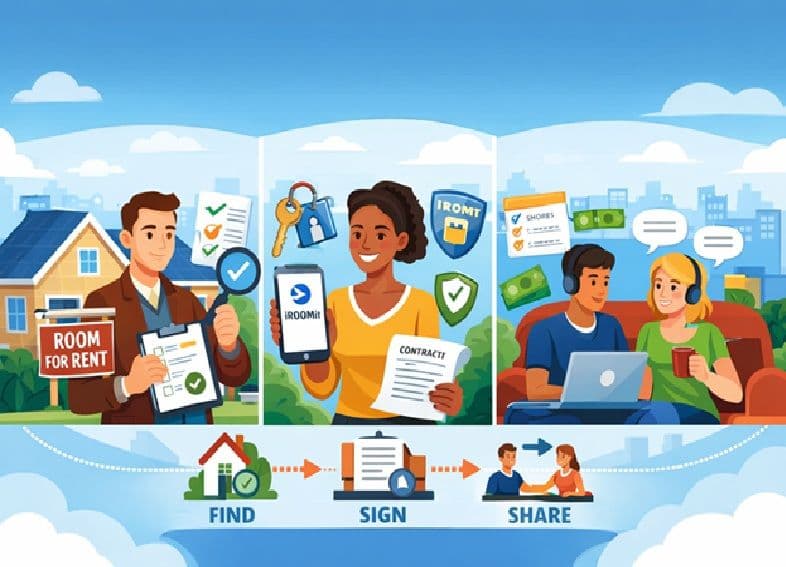
Roommates & Room Rental Blueprint
Room for Rent Playbook
A Straight-Talking Guide for Landlords, Tenants, and Roommates
The rental market isn’t getting cheaper. Spare rooms aren’t just extra space anymore — they’re income streams, lifelines, and sometimes survival plans. Whether you're renting out a room, searching for one, or sharing space with someone new, the game has changed. Technology, expectations, and housing costs are forcing everyone to be smarter.
This playbook cuts through the noise. No fluff. Just what works.
Part 1: For Landlords – Renting a Room Without Losing Control
Renting out a room in your home is not the same as leasing an entire property. The dynamics are personal. You’re sharing space, utilities, and daily routines. That means screening matters more than ever.
1. Set the Rules Before You List
Before posting anything:
- Define shared spaces clearly.
- Set quiet hours.
- Decide guest policies.
- Clarify cleaning responsibilities.
- Be specific about parking and storage.
The biggest landlord mistake? Being vague. Vague creates conflict.
2. Price It Strategically
Research local room rental prices in your city. Overpricing leads to long vacancies. Underpricing attracts unstable applicants.
Factor in:
- Utilities included or not
- Furnished vs unfurnished
- Private bathroom premium
- Parking availability
If your room includes strong WiFi, workspace setup, and privacy, market that. Today’s renters value functionality over square footage.
3. Screen Like a Professional
You are not “just renting a room.” You are selecting someone who will live inside your environment.
Always:
- Verify income.
- Check references.
- Review rental history.
- Use a background screening service.
Better screening = fewer problems.
4. Use Technology to Reduce Risk
Platforms like iROOMit help match landlords and tenants through profile verification, compatibility tools, and secure communication. Instead of random classified listings, tech-driven platforms filter applicants based on lifestyle preferences and background checks.
You can explore listings or post a room through:
- Website: https://www.iroomit.com
- Download iROOMit Mobile App:
- Using structured platforms saves time and protects both parties.
Part 2: For Tenants – Finding a Room Without Getting Burned
Room rentals are competitive. If you hesitate, someone else takes it. But speed should not replace smart decisions.
1. Read the Environment, Not Just the Room
Ask:
- Who lives here now?
- What’s their schedule?
- How are bills divided?
- What’s the noise level like?
You’re not renting walls. You’re renting into a system.
2. Protect Yourself Legally
Always get:
- Written rental agreement
- Clear payment terms
- Notice period rules
- Deposit terms in writing
Even if you’re renting from a homeowner. Informal agreements lead to messy endings.
3. Watch for Red Flags
Avoid listings that:
- Refuse written agreements
- Demand cash-only deposits without receipts
- Won’t allow you to view the room
- Seem significantly underpriced
If something feels off, it probably is.
4. Use Verified Platforms
Instead of relying on social media groups alone, use structured platforms like iROOMit where listings are verified and users build profiles with compatibility details.
Using a dedicated roommate matching app helps:
- Reduce scams
- Compare multiple listings
- Filter by budget and lifestyle
- Communicate securely inside the platform
It’s more efficient and safer than random posts.
Part 3: For Roommates – Making Shared Living Actually Work
Finding a room for rent is step one. Keeping peace is step two.
1. Set Expectations Immediately
Have a roommate conversation in the first week:
- Cleaning rotation
- Shared groceries or separate?
- Guests and overnight stays
- Temperature preferences
- Noise tolerance
It’s uncomfortable for 30 minutes. It saves months of tension.
2. Money Transparency Prevents Conflict
Use shared expense apps or automated transfers. Nothing destroys a roommate's relationship faster than unpaid utilities.
Agree on:
- Due dates
- Payment method
- How surprise expenses are handled
Clear money systems remove emotional stress.
3. Privacy Matters
Respect:
- Closed doors
- Headphone signals
- Personal belongings
Just because you share a lease doesn’t mean you share everything.
The Financial Angle: Renting Smart in 2026
Housing affordability is shifting. More homeowners are offsetting mortgage payments by renting spare rooms. More renters are choosing shared housing to avoid high solo rents.
This isn’t temporary. Co-living is becoming normalized.
Platforms like iROOMit reflect this shift by combining rental listings with compatibility matching technology — turning what used to be random roommate selection into a more strategic process.
The smartest players treat room rentals like structured agreements, not casual favors.
Frequently Asked Questions (FAQ)
- Is renting out a room profitable?
Yes, if priced correctly. Many homeowners cover 30–60% of their mortgage by renting one room. Profit depends on local demand and operating costs.
- Should utilities be included in rent?
It depends. Flat-rate pricing is easier to manage. If utilities fluctuate significantly, consider splitting based on usage.
- How long should a room rental lease be?
Common options:
- Month-to-month (flexible but less stable)
- 6 months (balanced)
- 12 months (more security)
Choose based on your tolerance for turnover.
- How can tenants avoid rental scams?
- Never send deposits before viewing.
- Use verified platforms.
- Demand written agreements.
- Check landlord ownership records if possible.
- What’s the biggest cause of roommate conflict?
Unclear expectations about cleaning, guests, and money. Almost always communication-related.
- Are roommate matching apps safe?
Reputable platforms like iROOMit include verification systems, profile reviews, and secure messaging features to reduce fraud risk.
- Can a landlord evict a room renter easily?
It depends on local laws. Renting a room inside an owner-occupied home often follows different legal procedures than standard tenant eviction. Always check local housing regulations.
- Should I furnish the room?
Furnished rooms rent faster and often at higher rates, especially in urban areas or near universities.
Final Word
Room rentals are no longer casual arrangements between stranger. They are structured financial decisions tied to housing strategy.
Landlords must screen smarter. Tenants must protect themselves. Roommates must communicate clearly.
Use technology where possible. Platforms like iROOMit — through their website (https://www.iroomit.com) and mobile app — make the process more transparent and controlled.
In today’s market, smart beats lucky.